

Where Transformation Took Hold
Client: Oxford Presentation School, Anantnag, J&K
Engagement Phased Partnership — Early Years, Leadership,
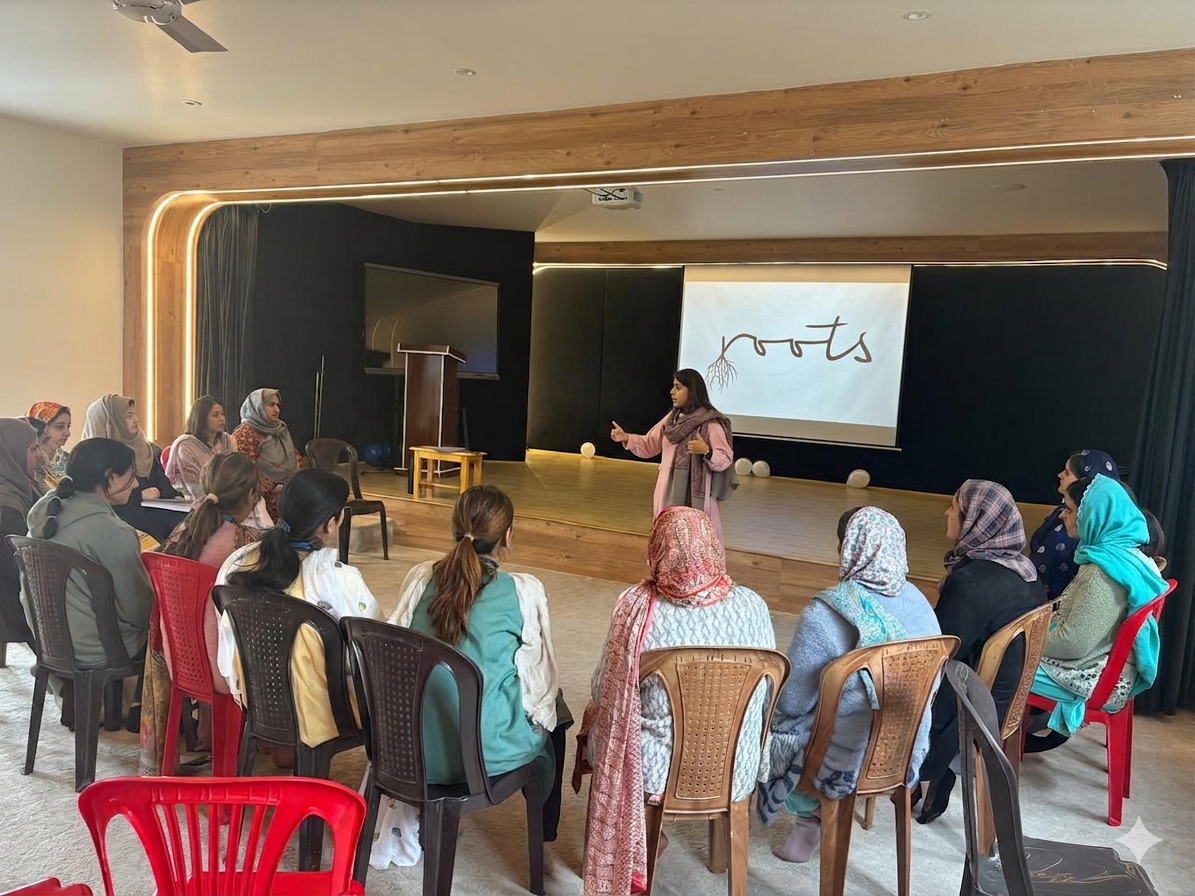
Delivered Phase 1: 70+ teachers, 18+ hrs observation · 23+ hrs training ·
Phase 2: 5 leaders, 20 hrs training ·
Services: Teacher Training · Leadership Development · Systems Alignment · Cambridge Pathway
THE SCHOOL
Aspiring Cambridge curriculum excellence.
In the scenic landscape of South Kashmir, a seed of change was sown in Anantnag, Jammu and Kashmir. Oxford Presentation School emerged with a vision to deliver Cambridge curriculum learning in the south of the valley. It was a bold commitment: local children accessing international excellence, not distant privilege, never introduced in any other school in the south of Kashmir. The school expanded with students and promise, yet classroom practices and leadership systems needed evolution to match its international ambitions.
Decades of growth revealed gaps—as regional education advanced, early years routines stayed traditional, leadership informal. The vision persisted; scaffolding for sustained, child-centered transformation was essential.
THE CHALLENGE
When aspiration meets resistance.
Institutions grow in founder’s images—values, energy. Challenge strikes when expansion demands structured shift: traditional teaching to child-centered, relationships to systems. At Oxford Presentation, early years hesitated from routines; a deeper need was cultural mindset change for Cambridge alignment. Intent existed; support was required for practice confidence.
The school had a clear direction. What needed building was capacity beneath—teams grounded in internal processes and mindset over habit.
THE PROGRAMME
The work arrived in three movements. Early Years came first — and over two years, more than seventy plus teachers entered a process that was never going to be comfortable. Old planners discarded. Timetables rebuilt. Activities retired. In their place, the slow work of aligning an entire department to international curriculum standards — studying frameworks that were new to most, writing lesson plans that actually reflected them, and scaffolding the change week after week because transformation does not happen in a workshop. It happens in the months after, when the teacher is standing alone in her classroom and has to decide whether to reach for the old way or hold the new one.
Once Early Years had taken hold, the focus shifted to Leadership — systems, processes, academic calendars, curriculum planning, all of it needing transformation. Leaders who had managed through habit were asked to build structures that would outlast any one person’s presence.
The Turning Point
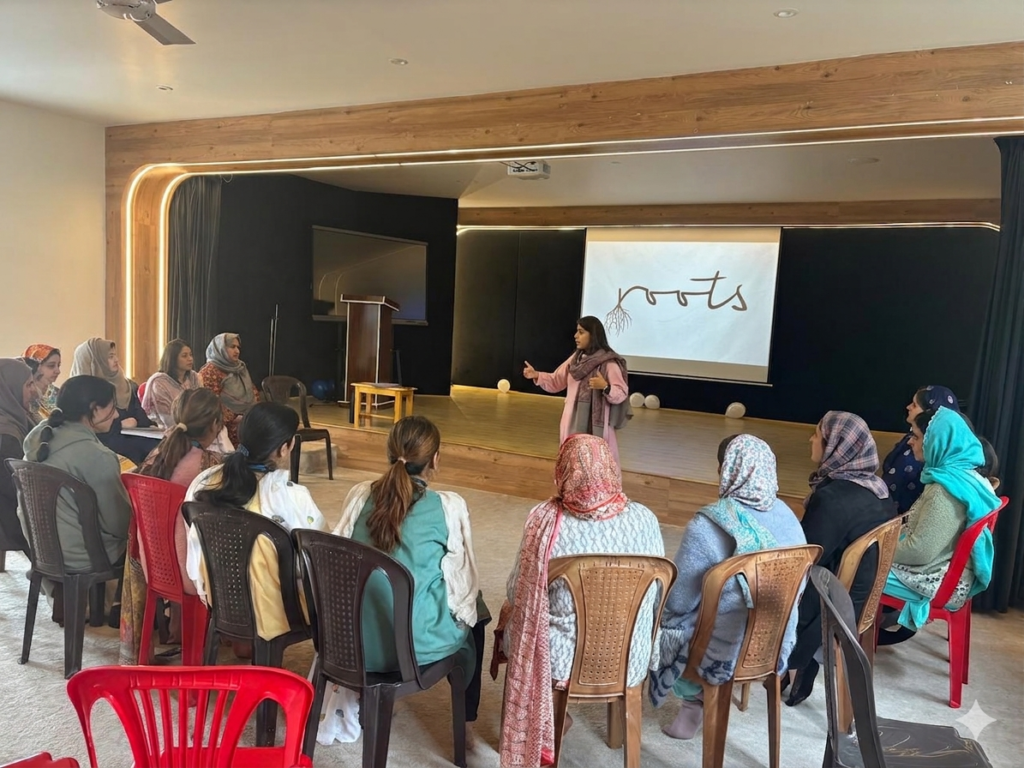
The resistance in the Early Years was real. Some of it quiet, some vocal, some simply the human instinct to protect what is known. Change management principles were not incidental to the work — they were central to it. What eventually shifted the room was not enthusiasm. It was evidence. Teachers who had absorbed the new frameworks began to see different things happening in their classrooms. Those early movers became the proof the rest of the staff needed. The ones who moved the institution were not the loudest voices. They were the steady ones — the teachers who came back to the lesson plan after it failed and asked better questions in week eight than they had in week one.
What Was Built
Over seventy plus teachers trained across two years. Eighteen hours of classroom observation. Sessions spanning ECCE, classroom management, inclusive education, lesson planning, curriculum design, and assessment. Five leaders taken through a dedicated programme covering systems design, data-driven decision making, and curriculum alignment.
What was actually built was harder to count — a school that began to think of itself as a single organism. Intentional classrooms. A leadership team where roles are clear and decisions traceable. An academic calendar that reflects a genuine pedagogical vision. Architecture, not enthusiasm. And architecture holds.
The Outcome
Teaching methodology shifted — from rote and repetition toward inquiry-led, student-centred practice. Leadership found its footing. Data replaced informal decision-making. Ambiguity gave way to clarity. Across classrooms, student participation increased, confidence grew, and teachers who had arrived resistant began to exhibit something no module can directly teach — the professional certainty that comes from seeing, in your own classroom, that what you changed is working.
What This Means
Oxford Presentation’s journey is particular to this valley and these people. But the pattern it traces is not unique to Kashmir. It is the pattern of every institution trying to bring legacy into alignment with what the modern world asks of a school. What this work affirms is what Roots believes — sustainable transformation is built by the people inside. Teacher by teacher. Session by session. For those who stay when staying is difficult.
Oxford Presentation stays. Quietly. Intentionally. Forward. That is where transformation takes hold.